

Last updated June 2026
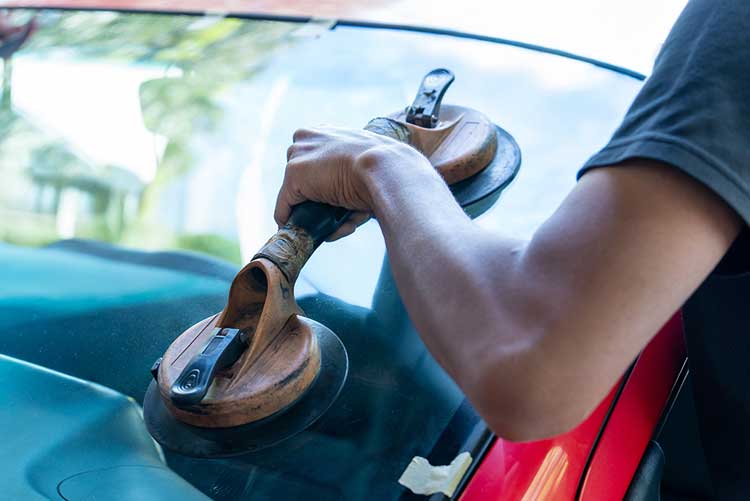
For many vehicles, it’s become astonishingly expensive to replace windshields: For most models, costs run $600 to $1,000—and for several popular cars and trucks, drivers must pay more than $1,500. (Replacing most vehicles’ side and rear windows usually runs $150 to $400 each.)
Why is it so expensive to replace the most fragile and vulnerable part of your car? It’s because for many late-model vehicles, when you look through your windshield, lots of different technology is looking, too. They include sensors for automatic wipers, heads-up displays, and radar that controls advanced steering assistance, cruise control, and collision-avoidance braking technologies. Often, after windshields are replaced or removed, these gadgets must be tested and recalibrated; sometimes that involves “dynamic recalibration,” which requires a test drive. These checks can add an hour or two to what used to be a simple task of swapping out a windshield cracked by a stray pebble.
If the windshield or windows on your ride suffer damage, you’ll want a speedy fix at a good price. Here’s how to find a glass act to help.
Before Replacing, Check Whether a Repair Will Do
Damaged auto glass doesn’t necessarily have to be replaced; chips often can be repaired.
Modern windshields are made by sandwiching a layer of vinyl between two layers of glass, then bonding them with heat and pressure. That makes the windshield far stronger than normal glass. When damaged, such auto glass doesn’t shatter—it splits and forms tiny cracks, which helps protect people in the car.
This layered construction means repairs are possible for relatively large areas of damage. Generally, chips or cracks that penetrate at an angle perpendicular to the surface or at a shallow angle can be repaired, so long as the damage is smaller than about a quarter (one inch) or less than three to six inches long, if it’s a crack. If you’re not sure repair is possible, ask a glass repair shop for an inspection.
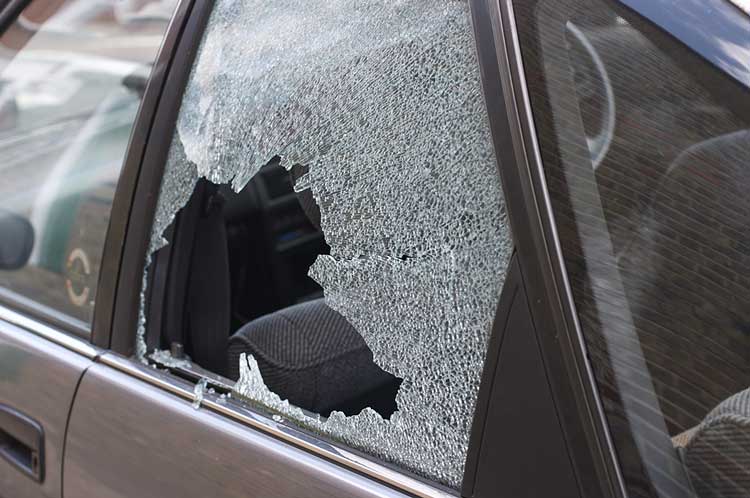
Your car’s side and back windows aren’t comprised of the same kind of sandwich; they’re typically “tempered” glass, made by heating it to over 100 degrees F and then quickly cooling it. This process strengthens the glass and ensures it will break up into very small pieces, limiting injuries. If these windows haven’t shattered, they’re also candidates for repairs instead of replacement.
Small repairs are relatively inexpensive, often running less than $100. But repairs must be made as soon as possible after the damage occurs. Rain and dirt will infiltrate damaged areas over time, and air will quickly make windshield cracks worse, making repair impossible.

Finding a Shop
While it’s a good idea to get a windshield or other glass repaired right away, you want to choose a repair shop carefully.
Here at Checkbook.org, you’ll find customer reviews of auto glass outfits. Fortunately, most glass shops overall received quite favorable ratings, especially compared to the mixed bag of reviews we get for auto bodywork.
If the damage was caused by someone else, and their insurance company is paying for the fix, start by checking with the insurer. Some have price agreements with networks of shops and chains; and while they’ll pay for repairs done by others, they might not fully compensate you if the one you pick charges higher prices than its contracted shops.
If you’re paying, shop around for a good price. Our undercover shoppers collected price quotes from a sample of area shops for four jobs. The table below reports the prices we were quoted. As you can see, we found sizable price differences; for example, from $245 to $479 to replace the windshield on a 2021 Volkswagen Jetta S, and from $455 to $943 to replace the windshield on a 2023 Toyota Camry XLE, which also required recalibration of the car’s ADAS (advanced driver-assistance systems).
The last column on the table reports our price comparison score for each shop. These scores indicate how each shop’s quotes, on average, compare to the average price for all shops quoting on the same mix of jobs. The price comparison scores are adjusted so that the average for all shops equals $100. A shop with a score of $110 had prices 10 percent higher than the average shop’s prices; a score of $90 indicates the shop’s prices were 10 percent lower than average.
Some companies’ websites offer quick quotes via online pricing; even those that don’t can quickly and easily provide pricing via phone or email. Have your ride’s VIN handy to make sure you collect prices for the correct part.
When collecting price quotes for a windshield replacement, ask if any recalibration work is needed and, if so, whether the shop can handle it. It’s best to get all the work done—replacement and any recalibration tasks—by the same company. That way, if something doesn’t work correctly afterward, it’s clear who’s at fault.
Ask for a timetable for when the shop can get to your car and how long you have to wait after the repair/replacement before you can drive the car.
Most auto glass services offer mobile service: Their techs will meet you at your home or office parking lot and do the work there. Know that your vehicle might need to remain parked for a bit after the work is complete so that adhesives completely dry; how long varies by vehicle, weather, and materials used.
Ask for the warranty details. Look for one that covers the service life of the vehicle—and make sure it covers the glass and labor.
When contacting shops, ask if your technician is certified by the Auto Glass Safety Council (AGSC), which offers training programs and maintains standards for replacement techniques and monitors product performance. There are four types of certification: Replacement Technician, Master Replacement Technician, Repair Technician, and Glass Calibration Specialist.
Many auto glass repair shops are members of the AGSC, but any company can employ an AGSC-certified technician. Membership requires the shop to agree to abide by work standards and pass site inspections. These are nice safeguards, but the key is to make sure your technician does great work.
Check on Parts Sourcing
All automotive glass must meet certain Federal Motor Vehicle Safety Standards (FMVSS), but for most vehicles there are two options: Original equipment manufacturer (OEM) parts or original equipment equivalent (OEE), or “aftermarket” parts.
For a windshield replacement, it’s usually best to stick with an OEM model. As is the case with other auto body parts, there are concerns over the quality of aftermarket auto glass components. And because many vehicle models now come with safety equipment that has components embedded into windshields or that need recalibration after a windshield replacement, many automakers now publicly urge owners to seek OEM replacements.
But because OEM products cost more than aftermarket/OEE options, it makes sense to ask about any cost savings you might get from using an aftermarket glass replacement—and whether the extra cost for OEM glass is worth it.
Illinois law requires shops to tell you if they use aftermarket replacement parts.
It doesn’t hurt to ask, but you might not get a choice: When they called local glass shops, our undercover shoppers were seldom given the chance to opt for OEM parts. And if the work is being paid for by an insurance company, you very likely will have to accept aftermarket glass.
Dealing with Insurers
Auto glass is covered under a policy’s comprehensive coverage. If you don’t have comprehensive coverage on your vehicle, you can’t claim repairs or replacement on your policy. But before you file a claim, find out how much your repair or replacement will cost and compare that to your deductible. It’s not worth bothering to make a claim if it doesn’t substantially exceed your deductible. And even if it does, you may want to pay out of pocket rather than face the possibility of a hefty premium hike.
Many insurers offer “full glass” deductible options, which pay all costs of windshield and window replacements. But don’t buy this protection unless it costs less than $40-$50 per year, or your vehicle’s windshield is unusually expensive. Many companies charge much more than that, making the cost of the coverage not worth the possible benefit.