

How to Get Rid of Stuff: Our A to Z Guide, from Apple Cores to Zillions of Cups
Last updated June 2026
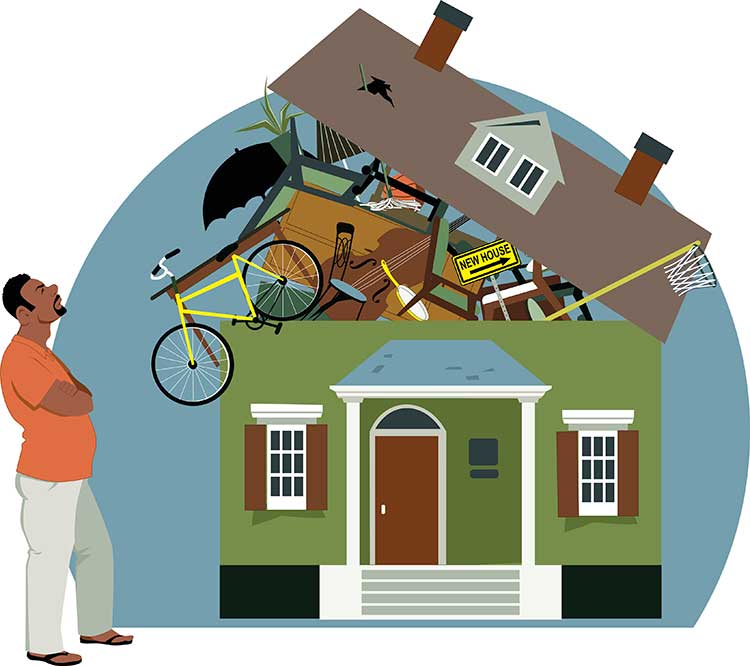
Garages so full of bicycles, basketball hoops, and junk that there’s no space for your car (or anything else). Bedroom closets crammed to the point that you can’t find a thing to wear (except your old prom gown). Kids’ toys that seem to reproduce overnight. Most of us have too much stuff, from obsolete electronics to more garments or shoes than we can ever wear. So, how do you get rid of it all without digging your own landfill? Here are some ideas.
Apple Cores
According to the EPA, we could compost more than 30 percent of what we throw in the trash. That would keep yard waste and food scraps out of landfills, where it takes up space and releases potent methane greenhouse gas. You can add brown (leaves, branches), green (veggie and fruit scraps, coffee grounds, grass), and water (needed for the decaying process) to your own compost pile in your yard, or use one of many composting gizmos (some with live worms to help the process along). If you don’t have outdoor space for compost, collect it for a mobile composting business or use a community pile. And many municipalities’ trash-and-recycling pickup crews now collect compost, too.
Books
Donate to your local public library, a neighborhood Little Free Library, or to Operation Paperback, which gives free books to active-duty military personnel, veterans, and their families. The American Library Association’s website lists several more options and tips, including how to handle e-books and magazines and how to donate to prison libraries.

Clothes
You may be able to make a little cash by selling or consigning not-too-old brand-name clothing, but older worn pieces may be best donated to a charity like Goodwill. Still, know that many items end up in landfills.
If you want to donate good-quality clothing in a way that impacts your local community, look into giving your apparel to local domestic abuse shelters, homeless centers, or Dress for Success, an international organization that helps women achieve financial independence. See also our “Party Dresses” section, below.
Diapers
No, not used ones! Whether your wee ones have just been potty-trained or have graduated to a larger size, their unused diapers are welcome at the local diaper bank. To find one, head to NationalDiaperBankNetwork.org.
Electronics
Our vintage flip phones, VCRs, tube TVs and computer monitors, video game consoles, and many other old electronic devices were fun while they lasted. But when your gadgets become obsolete and worthless, don’t just toss them in the trash. Most contain a nightmarish mix of hazardous chemicals: lead, mercury, lithium, cadmium, and even-more-terrible-sounding materials that, if not handled properly, can pollute the earth or harm people.
Although it’s now quite easy to responsibly get rid of defunct or unwanted devices, sadly less than a quarter of the world’s 6.2 million metric tons of electronic waste was collected for proper recycling in 2022, according to the latest data from Global E-waste Monitor. The rest was dumped into landfills or, worse, shipped overseas for dismantling by children or other workers who are paid nearly nothing to toil in horrifically dangerous conditions.
There are several ways to properly get rid of old tech.
If a device is still in good working condition, you can give it to a friend or family member, or donate it to a school, Goodwill, or another charitable organization. You can try to sell it yourself on eBay, Craigslist, Facebook Marketplace, Gazelle, and similar websites.
Since few old electronic products are collector’s items, you won’t make much money selling yours or trading it in. For example, Gazelle offered us only $168 for a functional, undamaged 256GB iPhone 16—$730 less than what we paid for it a couple of years ago.
There are many other options that don’t require you to create an ad and negotiate with random strangers over your fifth-gen iPad 3 or whatever. Some manufacturers and retailers let you trade in working, but unwanted, electronics for gift cards, cash, or credit towards purchases.
There are two main voluntary certification programs for U.S. companies that recycle electronics: e-Stewards.org and SERI. The requirements for e-Stewards certification are more stringent than those for SERI, most notably on the issue of preventing exports to developing countries. At e-stewards.org you can search its database for drop-off points for certified companies; they include most Best Buy and Staples stores.
 Furniture
Because furniture can cost a lot, it can seem shocking that, when you’re ready to say goodbye to your favorite recliner, you might get little or nothing for it. Here are some options:
Sell it. Even some antique dealers claim you’ll earn only 20 cents on the dollar for Grandma’s “treasures.” Still, if you have relatively new brand-name pieces, hawking them on Craigslist, Facebook Marketplace, or your neighborhood Listserv can be a good bet. Be sure to list the original price and keywords or tags (“Hollywood Regency,” “Pottery Barn”) to get lots of eyes on your former prizes. Prepare to haggle on price, and check what similar items are selling for as a guide.
There are also some furnishings consignment and auction stores that accept high-end new, vintage, and antique pieces. But, like consumers in general, they’re less interested in an antique dark-wood china cabinet than in a sleek 1950s dresser or a mod 1960s lamp.
Donate it. Don’t want the hassle or the usually low returns of selling furniture? Take a tax deduction. Many charities accept furniture donations, but you’ll often have to haul the stuff there yourself. If you have a fair amount of giveaways, Goodwill and local charity thrift shops may also accept (and haul away) furnishings—check with nearby organizations for details.
Glasses and Hearing Aids
Give old specs new life via the Lions Clubs International’s LERC (Lions Eyeglass Recycling Centers), which accept old horn rims at drop-off locations (including Walmart Vision Centers) in many U.S. cities as well as via the mail. Lions Club refurbishes donations and repurposes them for the needy.
 Hazardous Waste
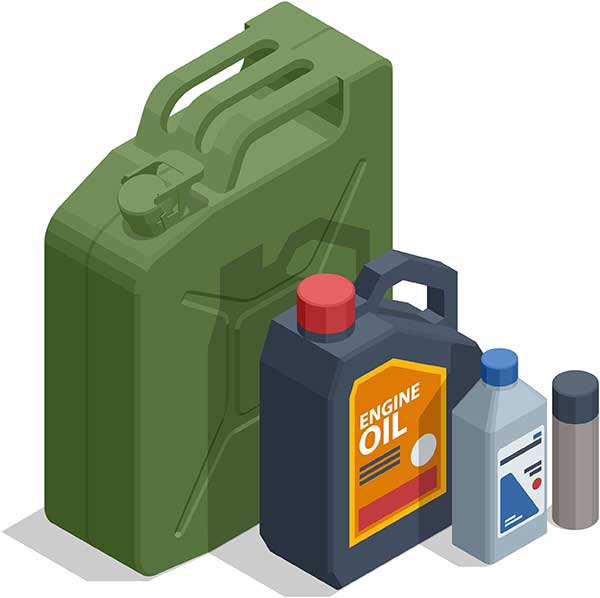
Most of us hang on to household hazardous waste—paint, solvents, motor oil, herbicides, pesticides, pool chemicals, automotive chemicals, drain cleaners, batteries, and more—because we don’t know how to dispose of it properly. The U.S. Environmental Protection Agency (EPA) estimates that the average household has amassed 100 pounds of it. Click here for our advice on what to do with it.
Instruments
Sure, you gave up the tuba after high school, but it’s still hanging out in your attic. Put it or other musical instruments back to work in schools via HungryForMusic.org, which donates to classrooms across the world.
Junk in General
One guy’s trash may be another dude’s treasure, but sometimes you just need to get rid of a load of crapola—especially if you’re clearing out a whole house or doing a construction project. You can shuffle off a lot of detritus quickly either by hiring a dumpster company (be sure to secure the permitting if you need to park it on a public street) or a junk hauler. Some companies sell bins for trash and waste disposal via home improvement stores, too. Click here for more advice on junk removal.
Kids’ Clothes
Trade hand-me-downs with friends and neighbors. Or sell them via your neighborhood parents’ Listserv or, for high-quality ones, via a kiddo consignment store.
Loads of Stuff
You’d be amazed that you can easily get rid of stuff by simply leaving it on the curb or listing it as a free pickup on Freecycle.org, BuyNothingProject.org, or Craigslist.org. These sites are particularly good for unloading moving boxes, party decorations, and other things that are expensive to buy but only useful for a short time.
Maternity Clothes
Most shelters and pregnancy help centers gratefully accept gently used maternity clothing. Search the web for “donate maternity clothing” to find a charity near you.
New (or Newish) Defective Purchases
When you buy a computer, stove, ceiling fan, or robot vacuum, you expect that it’ll do its job for a reasonable amount of time. So it’s frustrating when a badly made part, design flaw, or other problem turns what first seemed like the perfect purchase into a headache or waste of money.
Many consumers who buy defective merchandise hear the same thing from retailers and manufacturers: “Too bad, you’ll have to pay for a fix or buy something else.” But because consumer protection laws entitle you to receive defect-free products, you have many paths to satisfaction. Start by insisting that the store exchange a recently purchased item for something else.
 Old Sporting Goods
Forgotten tennis rackets, dust-gathering stationary bikes, neglected snowboards: Whatever workout or sport you’re blowing off, there’s a market for the equipment you aren’t using anymore—provided it’s in good shape. You can offload smaller items online via eBay; for larger things try Craigslist, Facebook Marketplace, or a neighborhood message board. Play It Again Sports operates sporting goods consignment stores across the country. It will pay cash upfront for your unused stuff.
Party Dresses
Donate gently used prom, cocktail, and bridesmaid frocks to Becca’s Closet, a charity that gives party wear to economically disadvantaged high school girls.
Quinoa and Other Nonperishable Food
Boxes and cans of food that don’t require refrigeration can be donated to food banks. FeedingAmerica.org lists hundreds of them. Many places of worship host blessing boxes for food donations, as well.
Roses and Other Plants
If you are moving, downsizing, or turning your lawn into a Zen rock garden, don’t just uproot everything. Try to gift houseplants to neighbors; for larger trees or perennial flowers that you think have value, contact your local Master Gardener program (check with your local government’s cooperative extension service), which should either have takers or know local organizations or public gardens open to new growth.
Swap Party
Whether you have a library’s worth of novels, dozens of pairs of shoes you aren’t wearing, or tons of baby clothes, hosting a swap party can be a sociable way to unload stuff and catch up with friends. Send out invites a few weeks in advance and give guests guidance (“Please bring no more than 10 items of wearable clothing.”). Serve snacks; then donate leftovers to charity and send receipts to your pals.
Toys
Visit ToysForTots.org to find drop-off spots to donate new or like-new toys.
Unused Toiletries
Homeless shelters and domestic abuse victims’ centers accept unopened shower gel, soap, and cosmetics, including those little shampoo bottles from hotels.
Vases
Don’t let containers from flower deliveries pile up: They’re just glass and take up a lot of space. Give them back to the florist or to a thrift shop. (Unfortunately, most municipal waste-handling centers won’t recycle glass unless it’s from bottles or jars.)
Windows and Window Treatments
Take blinds, shutters, and even your old window frames to your local Habitat for Humanity office. They’ll either use them in projects or sell them at one of their many building materials stores nationwide.
Xmas Decorations
Holiday decorations, particularly those in good shape or unusual vintage ones, are in high demand in fall months at most local charity shops and thrift stores. Check with your local donation center for what it’ll accept.
Yard Sales
If you’ve got time, a lot of stuff, and the inclination, you can unload everything from old LPs and kids’ toys to furniture at a yard or garage sale. Advertise on Craigslist, on neighborhood boards, and with throwback poster board signs. Consider convincing your neighbors to host sales, too; the block party appeal makes it more enjoyable and draws bigger crowds of spenders and browsers. Most pros recommend not pricing items and just bargaining with wannabe buyers.
Zillions of Cups
Aunt Ethel left you her china, but you prefer eating takeout on less fussy plates. Offload it for extra cash via Replacements.com, a national buyer and seller of new and vintage patterns.
