

Where to Buy Appliances
Last updated June 2026
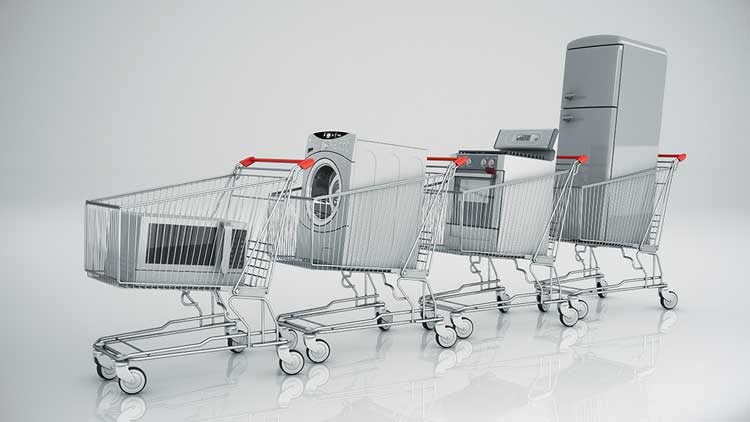
Induction stovetops. Standalone ice makers. Retro-hued clothes dryers. Industrial-grade refrigerators for more than $10,000. The lineup and features for new appliances change as often as fashion trends.
While you can often repair, rather than replace, an old appliance, these days a breakdown often means plunking down money on a new unit. Either way, we’ve got advice on repairs and ratings of local appliance stores for quality and price—plus tips on dealing with them.
Finding What You Want
Stores carry a nearly endless array of models with a gazillion bells and whistles. Click here for the latest kitchen appliance trends including “smart” features, steam ovens, and induction ranges. These extras usually drive up appliance price tags by hundreds and sometimes thousands of dollars, so consider your needs to avoid overspending.
Consumer Reports excels at offering appliance-buying advice. It regularly evaluates appliances for quality and reliability, and offers great advice on configurations, designs, features, and options.
Salespeople can also give you advice—but only at stores that employ knowledgeable, helpful staff. Unfortunately, as our Ratings Tables reports, many stores—particularly large chains—get low ratings for staff helpfulness. (We primarily survey Checkbook members but also invite other randomly selected consumers in the area to participate; click here for more information on our survey and other research methods.)

Energy Efficiency Considerations
By federal law, all new appliances must meet minimum energy- and water-usage standards, but some units are still more energy efficient and use less water than others. The most efficient ones can earn certification by the federal government’s Energy Star program.
Energy Star-certified appliance models tend to cost more than non-certified options, but lower energy bills usually cover those higher price tags. So if your old appliance has died or needs an expensive repair, it is usually worth paying extra for an Energy Star-certified replacement. Calculations on the Energy Star website compare annual operating costs of efficient and inefficient appliances according to how much you use them and how long you expect the new unit to last, among other variables.
Old appliances, particularly decades-old refrigerators and freezers, gobble up so much energy that governments and utility companies sometimes offer consumers incentives to replace them. These programs come and go; check with your utility company for current rebate offerings. The Database of State Incentives for Renewables & Efficiency also maintains up-to-date info on what’s offered.
In coming years, appliance manufacturers likely will continue to produce units that consume even less energy and water. Homeowners and landlords are also increasingly opting for all-electric cooking appliances, which are more energy efficient and don’t emit into homes harmful gasses.
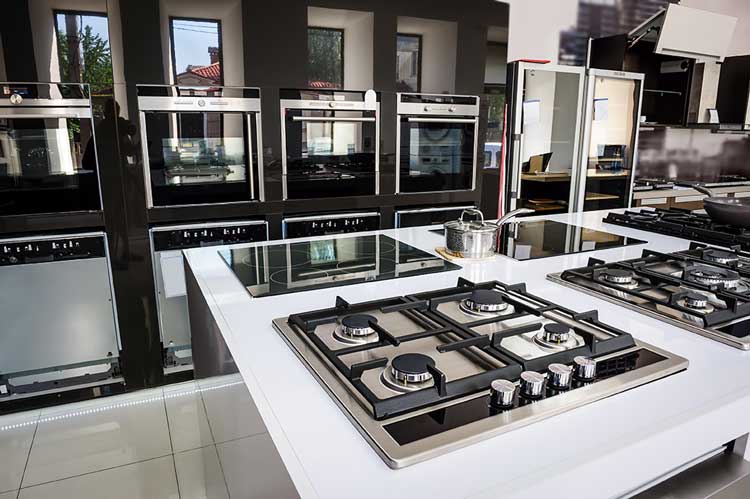
Big Chains Often Provide Lousy Service
Purchasing a major appliance can go disastrously wrong. If your fancy brand-new phone malfunctions, it’s easy to exchange it; it’s much more challenging to get a defective new refrigerator back to the store. Plus, most consumers need help with delivery and installation. Unfortunately, according to the reviews appliance purchasers send us, bad things happen quite often. Delivery crews mess up floors and doorways; workers cause water damage by improperly installing dishwashers and clothes washers. Screw-ups installing gas appliances are common and nerve-wracking.
But some area stores have competent installers. Another option is to hire your own help; while some stores fold installation costs into appliance prices or delivery fees, most charge extra, and our undercover shoppers found that some stores charge $200 or more just for installation and hook-ups. You might save money—and get better work—by having a good plumber do it instead.
With some stores, you’ll have to find someone else to install stuff anyway. Some won’t touch gas lines; others won’t hook up water supply or discharge lines, meaning you’ll need a plumber.
You can also install the appliance yourself. Even stores that charge a single package price normally offer a discount if someone else puts the fridge or stove in themselves. But know that not all appliances are easy to install. It’s easy enough to plug in a fridge and hook up the water line for the icemaker. Ditto for an electric clothes dryer hitched to a functioning circuit. But installing a dishwasher or a clothes washer can be fairly complex.
If you’re buying appliances for a remodeling job, your contractor can (and probably should) arrange for delivery and installation. That way a single company is accountable for making sure appliances arrive on time, get delivered without damaging your home, fit the allotted space, are installed correctly, and operate properly. Then you can focus on getting the best price (see below). But asking a remodeling company to manage delivery and installation is different from letting it buy the appliance, too. Nearly all remodelers will handle purchases, but they won’t necessarily dig up the best prices.
Our Ratings Tables report scores from our survey questions on promptness, reliability, and overall quality will help you identify stores that deliver on time and make things right when there’s a problem.