

Last updated June 2026

Studies show that the average American owns around 100 pieces of clothing but wears just 20 percent of them. And we’re now buying over 400 percent more apparel and accessories than we were 20 years ago.
But there’s a bright stat in this morass of overconsumption: The secondhand clothing market is attracting new followers at a pace any fashion influencer would kill for. Some 58 percent of Gen Z buyers say they check for secondhand options before buying, according to ThredUP and GlobalData’s 2026 Resale Report. It’s now not only cool and eco-friendly to purchase and wear previously owned clothing, but it’s also possible to score cash by unloading your gently used apparel via brick-and-mortar shops, easy-to-use apps, or online consignment stores.
Want to sell your formerly beloved clothing, shoes, and accessories, or refresh your wardrobe for less? The worldwide secondhand clothing market is now a $289 billion juggernaut, offering countless options for shuttling your shoes and shirts as well as ways to find quality stuff for less. Major retailers and designers have joined the movement, often selling (or allowing customers to hawk) “archive” (aka past season or used) merchandise on their websites.

Even though the secondhand market is hot, you probably won’t make a bundle selling your old cashmere sweaters and silk frocks, even if you’re a designer-fiend clotheshorse. Like most consumer goods—cars, jewelry, electronics, etc.—apparel and accessories rarely hold their value. But you can make money, and it’s better to earn even a small amount of cash than to have unwanted items clogging your closet.
Ready to sell your past fashions? Here’s how to get the most for your stuff, your time, and your effort. For more advice and assistance on selling or shuttling your clutter, check out our sections Getting Rid of Your Unwanted Stuff and Estate Sales.

Selling Clothes at Local Consignment Shops
Brick-and-mortar resale stores take your gently worn, usually name-brand clothing and accessories on consignment. The concept is simple: Bring in your one-time beloved Chuck Taylors, Banana Republic shirts or designer ball gowns; staffers pick which items they think they can sell; they keep those items and price them. You’ll sometimes need an appointment, but many spots also offer drop-in consigning.
The price tags retailers slap on garments vary widely depending on how much the item originally cost, its age (more-dated pieces often sell for less), and what’s popular in their shop (e.g., a groovy black jumpsuit might be more likely to sell in a downtown shop near the clubs than at a boutique out in the suburbs). A good general rule? Things are priced at one-half to one-third of their original value.
Shops usually try to sell your items for three months; you’ll get a portion (usually 50 percent) of the price as a store credit or a payout. The latter is usually issued every few months or sometimes on demand. Some spots still send you a check, but many stores are moving toward keeping funds in PayPal accounts or other “wallet”-like services. Items that don’t sell are usually donated to charity; check with the shop if you’d like your unsold items back, but know that many places won’t return them—it’s simply not worth their time and effort.
Less common, but also popular in Castoff Clothes Land, are cash-upfront resale stores (including national chains like Buffalo Exchange) where you peddle your one-time wardrobe stars directly to the store. Whatever staffers accept is then priced at two to four times what you receive. This option, while an easy way to purge a lot of stuff quickly (and get some money in hand), probably isn’t going to net you the highest payback. One of our secret shoppers took a $71 Banana Republic silk shirt that was still for sale on the store’s website to a local consignment shop and was offered just $6 for it.
Selling Clothes Online
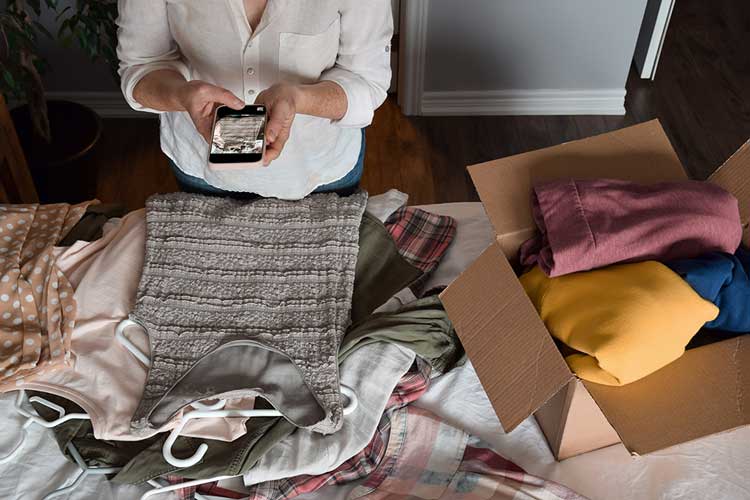
Online selling is at the forefront of the secondhand clothing revolution. Mega marketplace eBay pioneered the clicks-for-your-old-kicks (or dresses) concept, and it’s still an option for offloading items. Take photos of your garment or bag or whatever, then list it online at a price you set (more on that later). You choose to auction it off to the highest bidder, sell it at a fixed price, or simply ask for the best offer.
eBay has been joined by dozens of online reselling sites and apps. They generally fall into two models. First, there’s what you might call the Be Your Own Boutique Owner! models—including Poshmark, Vestiaire Collective, Vinted, and even craft-haven Etsy—where you can offer up anything you like at whatever price you like. In most cases, you take photos of your items (flat on the ground, on a hanger, on yourself, or on a dress dummy) and set your own prices, though some sites and apps offer pricing advice.
Then there are online resale brokers that work in much the same way as traditional consignment stores. At sites like ThredUP and high-end The RealReal, you mail in your items, usually in a prepaid-shipping box or envelope. Staffers then evaluate them, decide which ones to consign, photograph and list pieces, and—eventually—pay you when your clothing resells, minus any service fees. If they don’t accept something you send in, they’ll generally ship the item back to you (some for a price, others for free). Items that don’t sell are for the most part donated to charity, but ask if you can possibly get them back.
Some businesses (usually online sell-it-yourself ones like Poshmark and Vinted) allow you to sell any items by any brands you like (yep, go ahead and offer up that Shein mini skirt at top dollar—you never know!). Others have lists of brands that they’ll accept. For example, thredUP takes a range of mid-market merch from names like J. Crew and Banana Republic plus higher-end designers. Other sites cultivating a luxe clientele have stricter guidelines, mostly allowing labels you’d find at Bloomingdale’s, Nordstrom, etc. Think Chanel, Marni, and other big, pricey names.
Overall, online selling options offer the greatest payout potential, since many of them take a smaller percentage of the sale than physical stores. But because the original sale price drives how much cash you’ll get back, look beyond the commission percentage when deciding where to sell. The table below reports business policies and commissions for the major online options.
How to Get the Most Money for Your Clothes
Fashion newsflash: You won’t score big bucks by auctioning off your Walmart jean shorts. There are general rules about what sells well (or is even accepted) at secondhand brokers (see below). And even if all of your former fashions are consigned and sold, you’re still looking at a small percentage of return on your initial investment. Much like a new car, that new Rag & Bone jacket starts to depreciate the moment you carry it out of the store. Here are some tips on getting the most money and the easiest experience from consigning clothing.
Brands matter
You probably look for your favorite labels when you shop online or in person, and so do consignment store staffers. Recognizable designers or store brands simply sell more often or more quickly, whether that’s a Dior ballgown or a Madewell button-down. Many retailers list their favored brands on their websites. That doesn’t mean a shop, at least a brick-and-mortar one, won’t take a fabulous piece by a little-known maker; there’s always room for an out-of-this-world sequined cocktail dress or feathered handbag.
Keep it clean and current
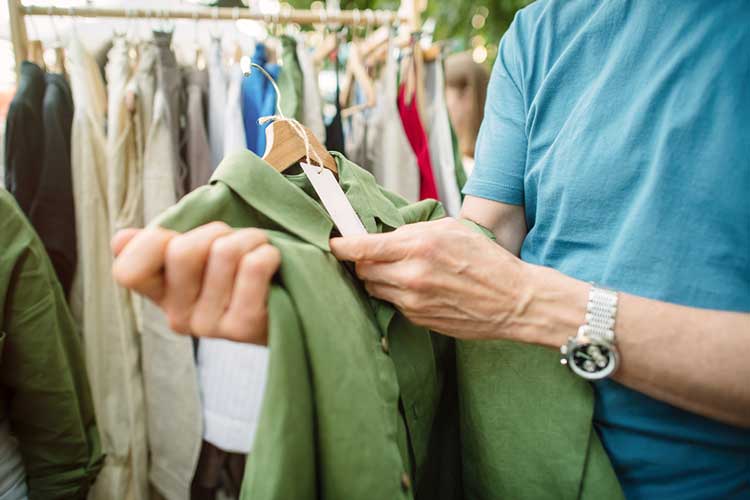
Clothing that’s worn, out of style (think most things you’ve owned for five years or more), or damaged in any way probably won’t make the cut at a consignment store. You’ll up your chances of garments being accepted and sold if you bring (or send) them in freshly washed or drycleaned and ironed, too.
Seasonal shift
Most consignment stores take only clothing and accessories from the current season (sweaters and boots in the fall, sundresses and sandals come summer). If you sell with an online marketplace, you might have more wiggle room. But just like you probably wouldn’t hunt for a cashmere cardigan in July, you probably won’t sell one quickly then either.
Don’t get insulted
Yeah, we know you paid a lot for that fur-trimmed ball gown from Fifi of Paris. But if a store or site doesn’t think it can sell an item, it won’t take it on. Don’t consider it anything other than business; it’s not a judgment on your taste.
For online sales, styling matters
If you’ve dropped your old fashions at a physical consignment store, staffers will merchandise them for you, perhaps dangling necklaces from a cool rack or popping your old Theory dress on a mannequin. The same goes for full-service online consignment shops such as The RealReal, and thredUp, which will photograph items on a white background or a dress form.
But if you choose to go with a DIY spot like Poshmark, Vinted, or even eBay, you’ll get more eyes (and dollars) for a well-composed photo. Some sellers lay out their merchandise like they are shooting a Nordstrom catalog (e.g., a few well-placed succulent plants as an accent), others wear their pieces fashion-blogger-style, while still others nab the original photos from a given designer piece (you’d be surprised what you can find in Google Images). Either way, a good picture of a designer dress is going to attract more attention than a shot of the same frock that’s sad, wrinkled, and drooping from a wire hanger.
Online, make sure the price is right
Look at how other items from the same brand or designer are priced (some sites let you view sold items—a great way to determine a realistic price), and keep your listing in the ballpark. Some sites (Poshmark, eBay) have tools that help you determine a fair or quick-to-sell amount. You can always start at the high end of the range and lower your rate later.
It’s going to take a little time
Consignment stores generally offer items for sale for three months or so, sometimes marking them down over the course of time. If something doesn’t sell, it’s usually donated to charity after those three months, and you probably won’t get a receipt. But you can ask about this before choosing a shop, and you may find that a few will give you receipts or your items back.
Online you either keep your items until they are sold (Poshmark, eBay) or, after a set amount of time, can request items be shipped back to you (often at your own expense). For instance, The RealReal will, at your request, return unsold merchandise to you after 180 days. If you don’t want items back, they are usually donated to charity.