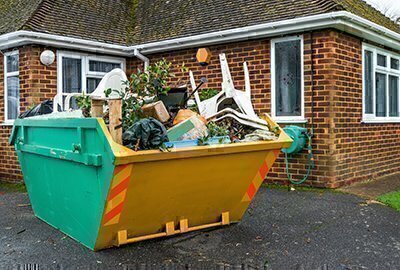
As we’ve reported over the last few years, a “buy nothing” culture continues to gain popularity in the U.S. Business at thrift stores is booming, there are long lines at estate sales, and neighbors are increasingly using websites like Freecycle.org to exchange secondhand possessions. Although the average American continues to buy, own, and take in far more things than consumers in the rest of the world, many of us are cutting down on our consumption, choosing to take part in the circular economy (buying used items or acquiring them for free), shopping less, or avoiding purchases of disposable fast fashion and low-quality furniture.
Still, there’s a sea of stuff clogging our closets, homes, and lives. Perhaps to keep up with our mountains of belongings, the average size of newly built American houses ballooned from less than 1,000 square feet in 1950 to more than 2,300 in 2024, according to the U.S. Census Bureau. Yet many Americans still don’t have enough space at home to stash their possessions: The U.S. self-storage industry pulls in more than $40 billion each year.
The problem of dealing with extra belongings will get worse. According to AARP, each day an average of 10,000 baby boomers turn 65; by 2050, older adults will make up more than 20 percent of the U.S. population. As they downsize, they’ll need to unload immense amounts of possessions.
We detail some of the most popular and effective strategies for sorting through your stuff, whether you’re a wannabe minimalist or a clotheshorse looking to corral some of your kicks and frocks. (And no, one decluttering method doesn’t fit all.) We share ideas for what to do with things you want to jettison, from books to electronics to sporting goods to toys.
Want to outsource selling your stuff or unload a literal house load of belongings? We also have advice on hiring an estate-sale business. And if you need help with downsizing or a major mess, consider hiring a professional organizer. We have advice on that, too.