

Should You Buy an Induction Range?
Last updated June 2026
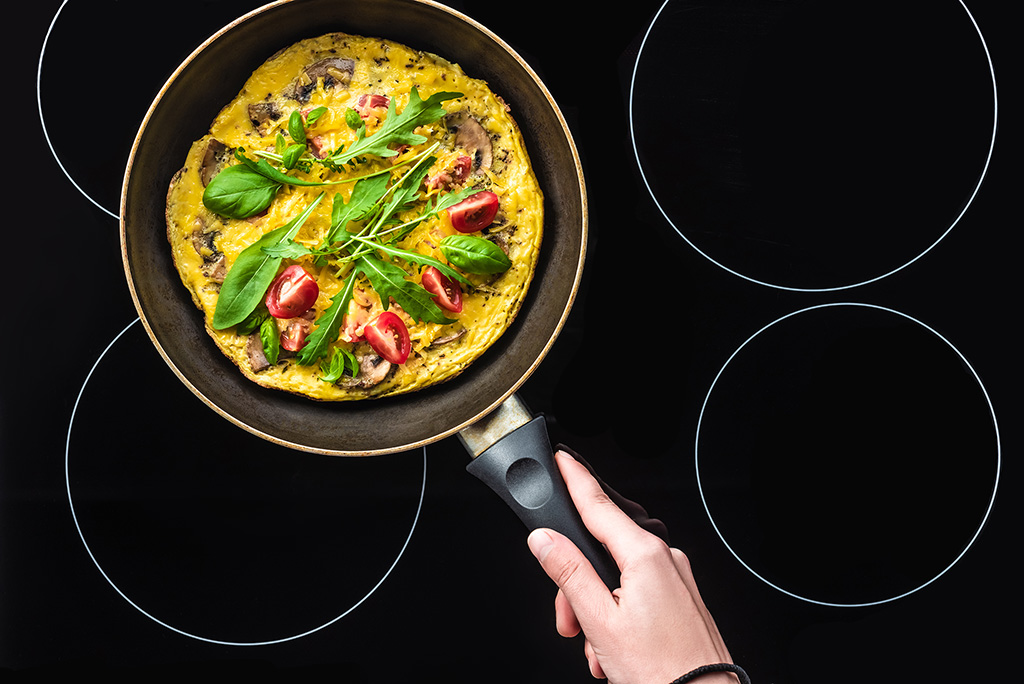
Concerns over toxic emissions from gas stovetops have prompted many consumers to make the switch to all-electric cooking appliances. Several jurisdictions (New York State and parts of California, Colorado, Massachusetts, and Washington) have proposed or enacted bans on gas hookups in new construction, commercial buildings, and/or buildings that undergo major renovations.
Many of those making the switch to electric cooking are opting for induction ranges, which use burners that generate energy via electromagnetic fields that transfer heat to magnetic metals (cooking pots and pans). This trend is happening even in regions without restrictions: In the National Kitchen & Bath Association’s 2025 Kitchen Trends Report, two-thirds of kitchen designers and professionals said that in the next three years, induction ranges will be the most popular cooking type.
While many consumers still prefer gas stoves, there are several good reasons to consider switching to electric or induction:
Gas stoves can create health problems.
They emit nitrogen dioxide, which is linked to increased risk of childhood asthma—one study estimated that nearly 13 percent of childhood asthma cases in the U.S. were attributed to gas cooking. Gas stoves also release carbon monoxide and formaldehyde, linked to various health risks. Using a vent hood can reduce indoor-air pollution when operating gas stoves, but most kitchens have inadequate ventilation.
Electric appliances pollute less.
Gas stoves also release methane gas, a powerfully harmful greenhouse gas. A widescale switch away from gas-powered appliances and furnaces would also eliminate a lot of leaky natural gas pipes and couplings, major sources of methane pollution.
Although electric appliances use electricity, which is responsible for 25 percent of carbon emissions in the U.S., those emissions can be lowered drastically by increasingly relying on renewable energy sources. Electric stoves can run on energy generated using solar, wind, and hydro; gas stoves must burn fuel.
Induction is safer.
The open flames from gas stovetops are a special safety concern if you have small children. Traditional electric stoves, which use coils, also pose housefire and burn risks. Induction stoves, which generate energy from electromagnetic fields that transfer heat only to magnetic metals themselves, are far safer because the cooking surface itself never gets hot enough to cause burns.
Induction stoves use less energy.
All electric stoves are considerably more efficient than gas stoves, but induction models are the thriftiest—about five to 10 percent more efficient than conventional electric stoves and three times more efficient than gas. But even these big differences aren’t game changers since cooking typically accounts for less than three percent of most U.S. households’ energy consumption.
New induction technology makes electric ranges powerful and more precise.
Most cooks who convert to induction stoves rave about how consistent and precise they are. Induction stoves are also very responsive: In Consumer Reports’ latest tests, water boiled 20 to 40 percent faster using induction than it did on the best-performing gas or conventional electric burners.
Induction models have for years topped CR’s lists of highest rated cooking appliances; in its most recent report, nearly every induction model CR tested earned high scores across the board (reliability, owner satisfaction, high-heat tests, low-heat tests).
