

Adopt Good Home Security Habits
Last updated June 2026
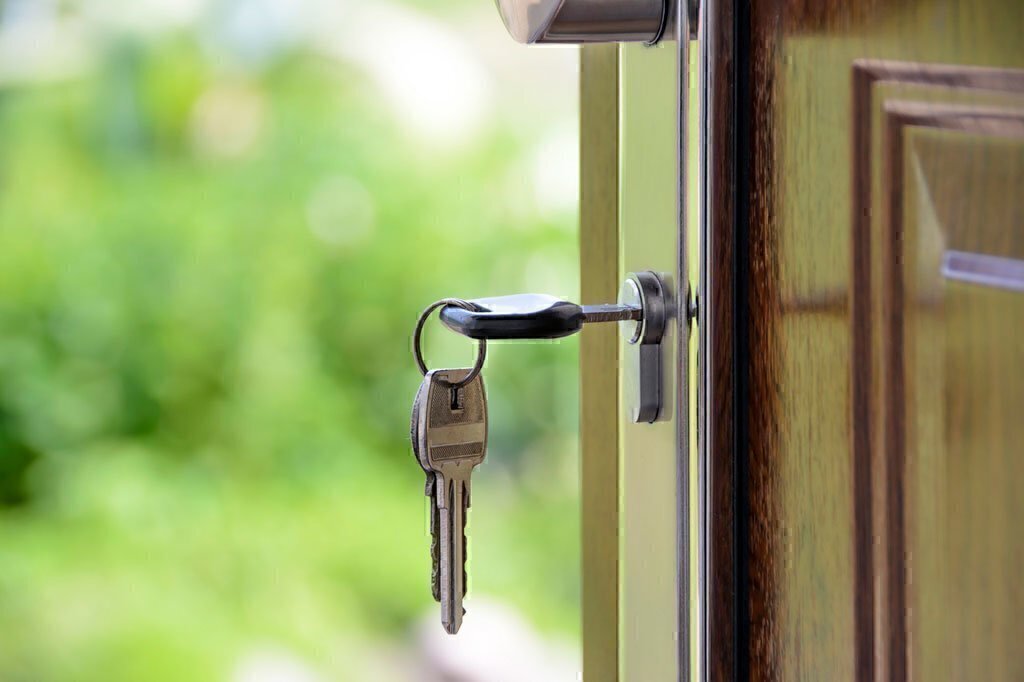
In addition to beefing up your home’s physical defenses, following some good-security rules will help deter thieves.
Keep Valuables Out of Sight
Place valuable items out of the view of anyone at your front door or easy-to-see-into windows. Stash cash and expensive jewelry in unlikely places—for example, in a large envelope or among many paper files. Select containers no one will accidentally discard.
Make Your Home Look Occupied at All Times
Most burglars strike when no one is home, so make sure your house appears occupied. Leave music or a TV on, and keep your garage door closed. Plug a light or two into timers or use a smart-home hub to turn them on at dusk and off at bedtime.
Keep Up Appearances When on Vacation
So that mail and packages don’t pile up, place a mail hold at the post office, or ask a friend to collect them. Arrange for your lawn to be mowed or your sidewalk shoveled, if needed. Leave a car parked in the driveway.
Keep Track of Keys
Intruders also invade homes with keys “hidden” under your doormat, kept by a contractor, or copied from a key lent to a plumber, etc.
When you move into a house or apartment, consider having all the lock cylinders replaced or re-keyed.
If you often need to provide access to anyone you don’t fully trust, consider adding an electronic lock to one or more doors. Then you can easily change entry codes.
Secure Tools
Crowbars, hand tools, or yard tools lying outside the house or in open garages invite trouble. Lock up any implements that could be used for prying or bashing, and secure ladders.
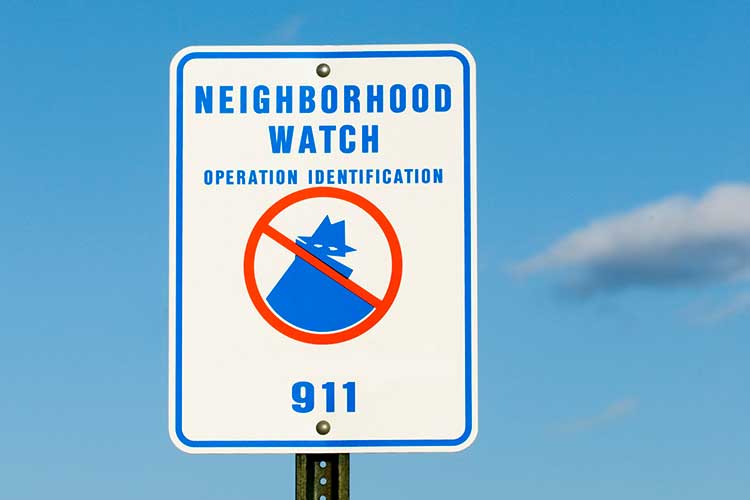
Work with Your Neighbors
Neighborhood watch groups can cover a single block of 10 or 12 houses or dozens of blocks with 1,000 houses. Most get training from police officers on security measures, ways to spot suspicious activity, and how to keep in contact with the police.
Buy Adequate Insurance
Maintain adequate homeowners or renters insurance to cover property losses due to burglaries. Click here for help on deciding what to buy and finding the best companies.
Insurance companies typically offer the option of covering the full replacement cost (with no deduction for depreciation) for 10 to 20 percent more than the standard policy. If burglars clean out your home, coverage for full replacement cost could save you thousands. Without a replacement cost provision, homeowners insurance policies cover only the “market value” of personal property, not “replacement value.” Market value is defined as the replacement cost minus depreciation.
Certain items (jewelry, cash, electronics and computers, and guns) usually are covered at low limits; consider buying extra coverage for them.
One indicator of the effectiveness of alarm systems is the discounts homeowners insurance companies give households that have them. Many insurers offer discounts of two to five percent for systems with an outdoor siren and five to 15 percent for systems with central station monitoring for both burglary and fire.

Take an Inventory
Making a list of your belongings will help you get compensated if you suffer a major loss from burglary or fire. List expensive possessions, including purchase dates and prices; then move through your home and record a video of the rest. Update your inventory every few years.
If you own antiques, expensive jewelry, original paintings, or other items of substantial value, get written appraisals—but make sure your appraiser is acceptable to your insurance company. Tell the appraiser that you want the evaluation for insurance purposes. Many are dealers, and if they think you want to sell the items, they might lowball you.
Participate in Operation Identification
This involves engraving an ID number on your valuables and putting a decal in your window. Some burglars will be deterred because clearly marked items are harder to sell. Although only about 10 percent of burglarized homes recover any stolen stuff, positive identification improves your chances.
There are also various ways to “fingerprint” fine art, jewelry, and other items without damaging them. Ask an appraiser or jeweler for help.
Lock Up Guns
Burglaries are major sources of guns for criminals, although estimates of the percentage of crimes involving stolen guns vary widely. Each year more than 200,000 guns are stolen, but no one knows how many more gun thefts are unreported (some studies estimate more than 400,000 are stolen). Trigger locks can prevent accidental shootings but not thefts. If you have guns, store them in locked gun boxes or racks that cannot be easily removed. Another option is a Simplex lock, a small gun safe ($150 and up) opened by pressing five buttons in a specific order.

Get a Watchdog…
Dogs add home security in multiple ways. First and least is the family pet with no particular training in sounding an alert. Dobermans and German shepherds get a lot of respect from intruders. A concern, of course, is that your untrained dog will attack innocent strangers, your neighbors, or their children.
The second level is to train your dog to bark at—but not attack—strangers. This usually requires hiring a professional trainer.
The third level is a personal protection dog professionally trained to attack on command or when he or she thinks a family member is being assaulted. Unfortunately, even most watchdogs have trouble distinguishing between a friendly slap on the back and a real assault. Many are unreliable except when handled by their family.
…Or Bluff That Your Dog Is a Menace
Post a “Beware of Dog” sign outside your house—even if you have no dog or the dog you do have is afraid of strangers, loud noises, all creatures large and small, the wind, and pretty much any moving object.
Install a Safe or Rent a Deposit Box at Your Bank
Small fire-resistant home safe models with about one cubic foot of storage cost $100 to $200; many models can be bolted to the floor. Safecrackers can open them, but other burglars usually can’t. Highly secure—but much more expensive—safes are also available.
A safe deposit box rented at a nearby bank is less convenient. But it provides a level of security against theft and fire that would cost you several thousand dollars to duplicate at home.
Consider Getting a Lock for Your Bedroom Door
Since you spend much of your time at home in your bedroom, you may also want to install a solid-core door with a heavy lock on it. If you don’t have kids, sleep with your bedroom door locked. If you have kids, you’ll get more sleep behind a solid and locked door, but that’s not great for safety. On the other hand, if you have a bedroom door that locks, you can retrieve your kids and lock out home invaders.