

DIY Home Security Options Are Inexpensive
Last updated June 2026
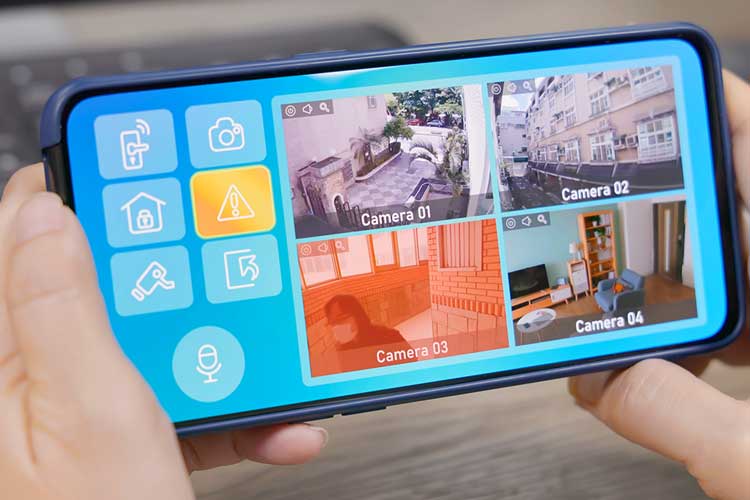
Dozens of companies now sell security system components that are easy to set up. You can link everything from doorbell cameras to dozens of window and door sensors to a central hub controlled via smartphone app or similar interface.
Sellers include cable TV companies; tech giants like Amazon, Google, and Microsoft; and dozens of device manufacturers and startups offering a wide array of sensors, cameras, and glass-breakage detectors that you can connect to smart home assistants like the Amazon Echo or Google Nest.
Don’t want a full-on alarm system? These companies and others, including Cove, Ecobee, Eufy, Kangaroo, Ooma, and SimpliSafe, sell a la carte cameras and sensors that you can install in strategic locales and monitor for free using your phone. With most of these companies, you can also pay more to get 24/7 monitoring services.
The availability of user-friendly DIY devices has forced old-school home security players to adapt. ADT now sells self-installed products and partners with Google to offer services to Nest owners. Honeywell and several other companies—SimpliSafe, Vivint, Wyze, and more—also now offer their own DIY home security lines.
All this competition and choice mean lower prices. Instead of paying a home security service $750 to $3,000 for a professionally installed system and then paying $1,500 or more each year for monitoring, for $400 or less you can assemble a basic DIY system and then pay as little as $200 per year to have it monitored—or nothing at all if you monitor it yourself.
Consumer Reports tested security systems offered by 12 companies and among those that offered professional monitoring ranked SimpliSafe as the best (although there were several close runners-up). Our researchers collected pricing from SimpliSafe for components to cover an average-size home (control panel, window sensors, door sensors, one motion detector, one indoor siren, and three years of cellular monitoring service). Total cost was less than half what most local installers charge: About $370 for the equipment, $125 if we needed help with installation, and then about $380/year for monitoring. Other manufacturers offer similar features and costs. With some, you can get discounts on equipment costs if you contract for monitoring service.
Aside from ease of installation and low operating costs, a big plus of DIY is flexibility: You can easily add or remove components. And unlike the contracts offered by most alarm installers, DIY companies seldom rope you into long-term monitoring pacts. Decide you want to drop monitoring and you can simply cancel.
But there are disadvantages. Some components are difficult to install. And if you self-monitor, you might miss alerts sent by your system, whereas in theory pro monitoring is 24/7.
Over the years we’ve tried out these devices and found many of them to be a hassle. The alerts are constant, especially if you get a lot of packages or food deliveries, open doors to let pets in and out, etc. Many families get so tired of having to respond to alerts that they turn off their alarm systems or don’t bother replacing batteries.
As with professionally installed home security systems, there’s limited evidence that any of these gadgets deter crime. And all this video surveillance we’re setting up might be creating serious privacy problems.
