

Last updated June 2026
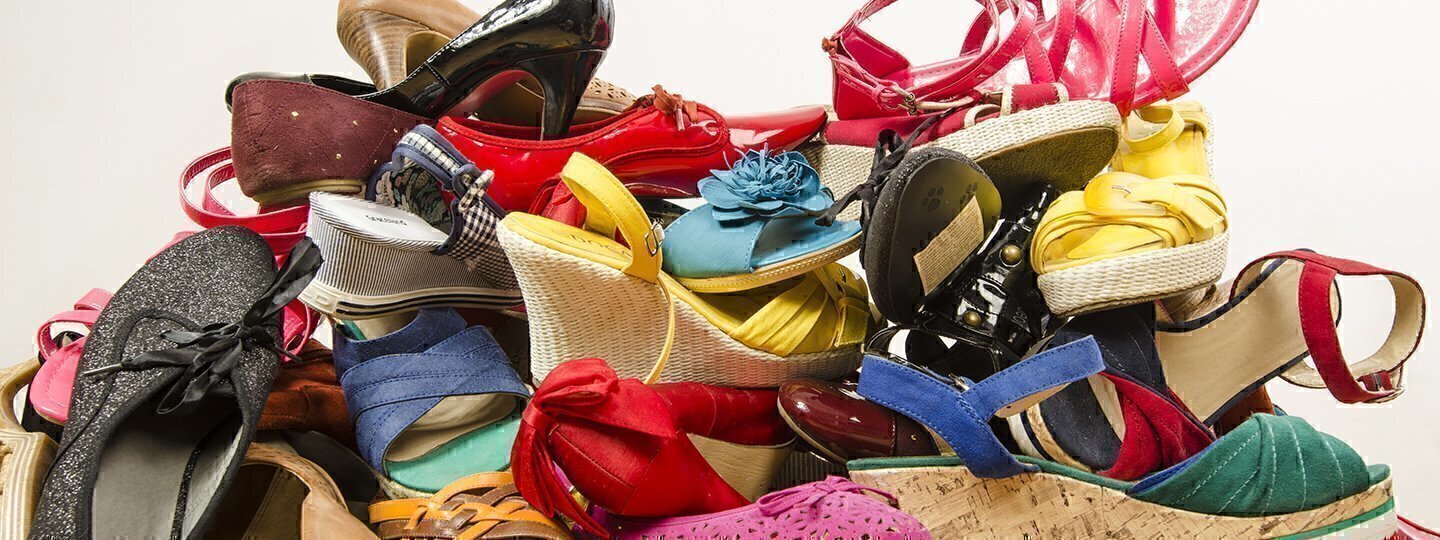
Need some help deciding what to keep, what to sell, and what to recycle or pitch? Here are some popular strategies and resources.
The Four Box Method
One of the simplest organizing strategies involves sorting goods into four categories or boxes. You’ll group things you want to keep (daily use items, cherished possessions), things to donate or sell (high-quality, still usable stuff you no longer use), things to recycle or trash (broken or expired goods), and things to relocate or store (stuff you or someone you know will need later on).
The KonMari Method
Japanese decluttering guru Marie Kondo sold millions of copies of her book, The Life-Changing Magic of Tidying Up: The Japanese Art of Decluttering and Organizing, and won even more fans with her calming Netflix series, Tidying Up With Marie Kondo. Her throw-it-all-out minimalist approach is based on the logic that, when you touch an object, it should spark joy. If it doesn’t, be the thing a spatula or a suit, you’re supposed to cull it.
Obviously, her ultra-pared-back approach isn’t for everyone, especially book lovers who might take umbrage with Kondo’s suggestion that you tear pages from your favorite ones to keep just the words you like.
No New Things
Popularized by author and deinfluencer Ashlee Piper (who wrote a best-selling book by the same name), this strategy/practice essentially urges us to not purchase any new items for 30-day (or longer) stretches. Buying used goods is permitted (Piper does this for shoes, housewares, and even cosmetic products). The results? Less stuff in your house and membership in the circular economy, which reduces waste.
The OHIO Rule
“Only Handle It Once” is a standard junk-battling refrain, perhaps best for controlling things constantly coming into your abode: mail, free grocery-store totes, cheap toys from kids’ birthday parties. You can also OHIO things you’re trying to sort out by deciding if you’ll keep something versus sell, donate, or toss it. And no, you can’t run back to the dumpster to “rescue” things after you’ve made up your mind.
The One-Year Question
Haven’t worn that shirt, used Aunt Mildred’s teapot, or powered up a game console in over a year? Get rid of it. Can you hold on to a few things for sentimental reasons? Sure, but don’t go overboard. Keeping a couple of your late mother’s dolls is one thing, but letting a collection of 100 Barbies inhabit your living space seems like a horror movie in the making.
Everything in Its Place or That Fits Your Space
You shouldn’t buy or keep more stuff than your current space will hold. This means stopping shopping (or purging garments) when your closet is so stuffed it won’t shut, or making Junior give away a few stuffed animals when the toy box overfloweth.
The Unf^&k Your Habitat and FlyLady Methods
Both of these websites and books have a similar message: Devote short bursts of time (15 to 20 minutes) to throwing stuff out and cleaning up your home. FlyLady recommends setting a timer; the other resource (there may be kids around, so we won’t publish its full name) advocates walking a line between getting rid of junk you don’t need and keeping things you enjoy. “Redefine minimalism to fit your own life,” it coaches.
Get Help
Whether you enlist your fashion guru friend to help you clean out your, ahem, five shoe closets, or you go through family photos with your kid brother, it helps to have another set of eyes and hands on your stuff. Hiring a professional organizer by the project or hour is another option. The website of the National Association of Productivity & Organizing Professionals is a good place to look; members who are Certified Professional Organizers have undergone multiple hours of training and education. Also check out our section on organizers for tips on hiring and working with a professional neatnik. In our experience, as is the case with most life challenges, if you suspect you need help, then you probably do, and most who work with organizers find it valuable to get an expert’s opinion—and an extra pair of hands to do the work.
