

Last updated August 2026

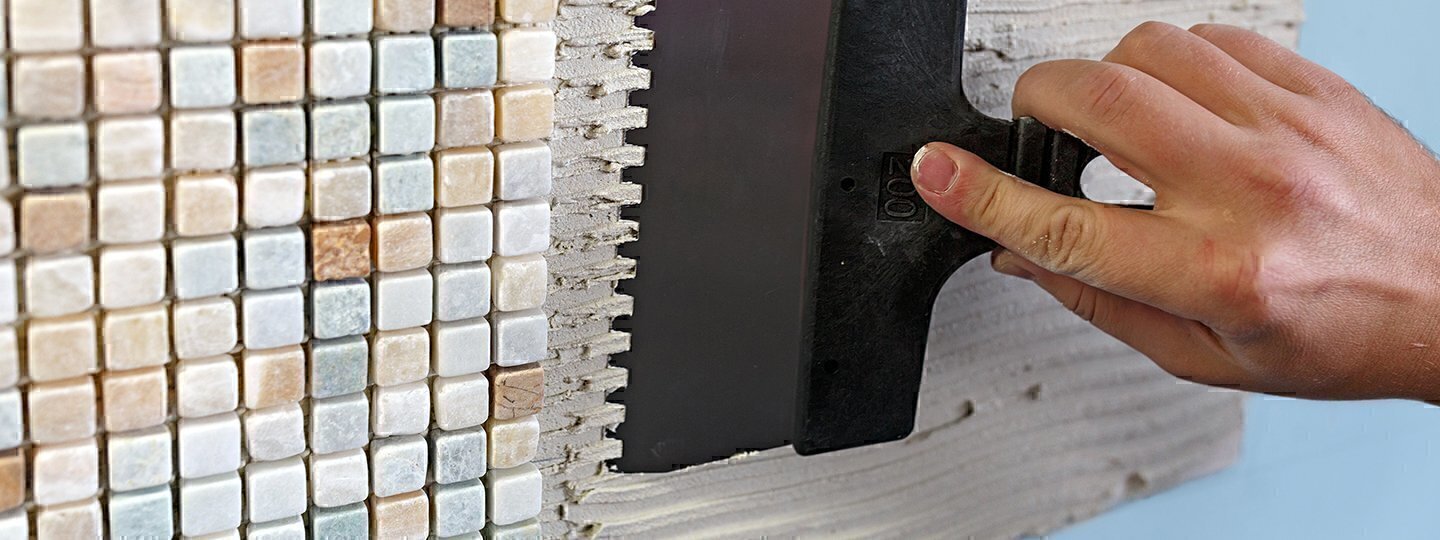
Putting in bathroom or kitchen tiles used to be a grueling, time-consuming affair involving laying tiles into a thick bed of cement. Such “mud sets” were durable and hard to break, but they’ve most been replaced by “thin sets,” where adhesive is spread in ribs with a notched trowel. It’s faster and less expensive but, because houses move, not necessarily better—flexing floors and shifting walls may eventually crack or buckle the work.
Good tile contractors know that the floor—or wall or kitchen counter—has to be rock solid. They may even spend more time preparing a strong surface than laying tile. But that’s just one of many factors determining job quality. The surprisingly large number of negative ratings and comments we receive from consumers in our surveys on tiling contractors indicate that many area installers should throw in the trowel.
To get your money’s worth, and a job that looks good and lasts, here are tips on tiling—from finding a good contractor to checking the finishing details. Want to DIY? There are a zillion YouTube videos offering instructions.
Hiring Tiling Help
Look for experienced contractors with satisfied customers. A good contractor can turn shaky floors and other problems into a successful, good-looking project, while a bad one could transform the best raw materials into a disaster. Check our customer ratings and reviews of area tile installers to find good candidates.
Get several bids. Our undercover shoppers found big price differences when they got bids for a simple bathroom-floor tiling job—from about $1,500 to more than $3,000. The lesson: Get at least three bids, providing each contractor the same details: the tile you want (manufacturer, size, color, grade); type of grout; any needed sealant; and a precise drawing with measurements of the project.
Ask for details. Does the tile pro foresee any possible problems with your job? What prep work will they do? How will they cover seams where one type of flooring meets another, such as in a doorway?
Compare proposals. Confirm that the basics about materials and square footage are the same in each bid; then look carefully to spot any differences. Make sure that all parts of the job are priced and minimize unknown extra charges that might be applied later.
Get a guarantee. What happens if cracks appear in your kitchen floor within six months? Good installers will offer a written guarantee of workmanship that lasts for more than a year.
Ask about layout. Tiles look best when centered on the floor or wall with equal partial pieces around the edges. But there are exceptions. If there is one prominent open wall and another mostly concealed by furniture, consider using full tiles on the open wall and burying cut pieces under chairs and bookcases. In kitchens and baths, you might use full tiles along the most visible wall and relegate cut pieces to recessed toe-space below cabinets. When walls aren’t square, partial tiles along a skewed wall will be uneven—each one slightly bigger than the next. The wall you see most should get the square pieces.
Get proof of licensure and insurance. All home contractors should carry liability and worker’s compensation insurance. In some areas a contractor's license is also required.
Get it in writing. Ask for a written fixed price; a simple letter of agreement will suffice. It should include details on the tile and grout, a description of prep and finishing work they’ll perform, plus business name and address, insurance information, license number, estimated starting and completion dates, and payment schedule. Avoid a large down payment; by withholding payment until completion, you get to say when the job is finished.
As work commences, check for these obvious signs of trouble:
- Crooked tiles: Even if your walls aren’t perfectly plumb, tiles should be laid in precisely straight lines.
- Uneven surfaces: Again, the underlying surface might not be even, but workers should prepare them so that the new tile is.
- Weird placement: The best practice? Draw a layout in advance and then follow it.
- Ghastly grout: Are lines straight, spaces between tiles equal, and application of grout neat? The narrower the grout lines, the better—some contractors try to hide lousy work with wide swaths of grout.
- Transitions: Check how installers handle spots where tiles meet different surfaces—say, in doorways. There should be a nearly seamless even connection.
- Cuts: Where tiles are cut to accommodate plumbing fixtures, pipes, and electrical boxes, the cut edge shouldn’t be visible.
How to Choose Tiles
Tile is a heavy hitter at home, a durable wall or floor covering that withstands water, stains, and high traffic in kitchens or bathrooms. It also comes in a range of materials and styles, from earthy cement zellige tile to marble mosaics worthy of a Greek temple.
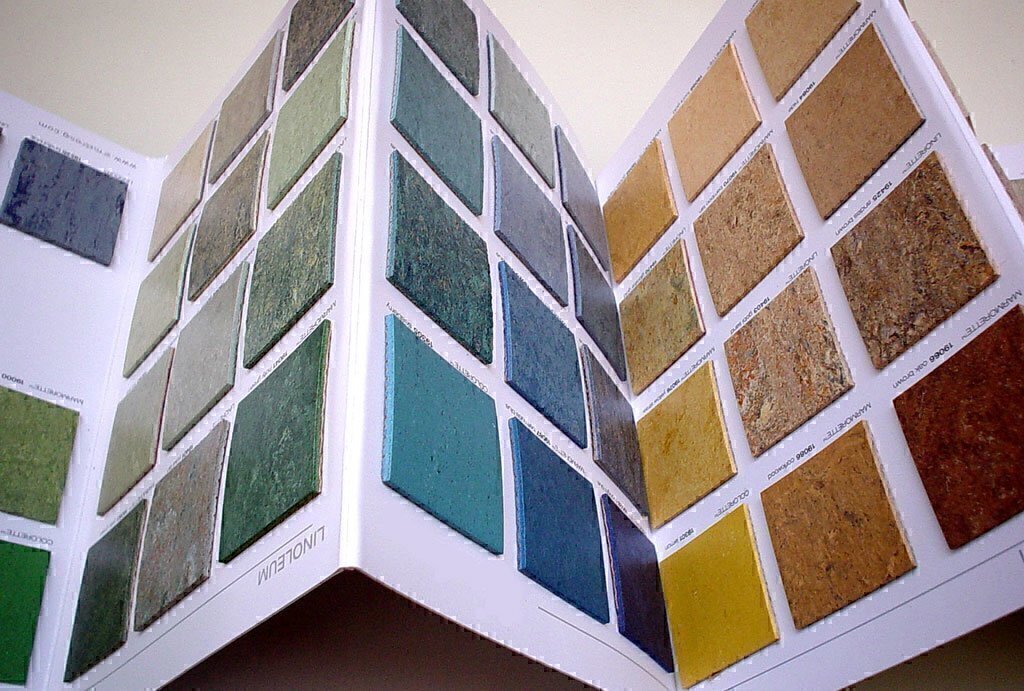
But walk into a tile showroom or home improvement store and you may be overwhelmed with options. Cement or porcelain? White or off-white subway tiles? Glass tiles etched and painted with songbirds?
Here are tips on making all these hard decisions easier.
Many tiles are made from clay that has been shaped and dried, then fired in a kiln at very high temperatures to make them hard. To get a glossy finish, tiles can be glazed and fired again. Unfinished tiles are also sold, but they come in a limited range of colors. Other tiles are formed of natural stone: marble, travertine, limestone, etc.
Durability
For walls, floors, or countertops, you don’t want tile that’s easily scratched or permeable. For example, those frosted-green glass tiles may look gorgeous, but you may want to save them for a backsplash, not a high-traffic floor where they are likely to crack. Marble boasts classic shine and luminosity, but it can stain and crumble when installed on kitchen counters.
Most boxes of tile are labeled according to their best usages, and staffers at good tile stores can also advise you on which types fit certain spots. The Porcelain Enamel Institute (PEI) has a guide that rates tiles on a traffic-ready scale of 1 to 5, with PEI 1 tiles (e.g., an etched glass tile) recommended only for indoor wall usage to PEI 5 tiles, which are extremely durable and can withstand outdoor elements and industrial settings.
Material Matters
What your tile is made of is largely a matter of personal preference and budget. Crave a sleek contemporary look? Consider larger slab-style marble tiles for a bathroom wall and floor. Trying for a rustic-style kitchen? Encaustic (cement) tiles in a Med-cool print could summon a welcoming vibe. You can even find leather and metal tiles, though the former are best suited for library and office walls, not floors or areas that get damp.
Keep It Current or Classic
Tile styles, like other household finishes, change quickly these days. If you’re planning on selling your home in the next five years or so, it’s best to use a style that’s currently popular.
Though retro subway tiles (rectangles, often in white) haven’t completely gone away, younger customers are driving purchases of square tiles, handmade-looking Moroccan zelliges, or large rectangles in natural stone. If your taste leans toward traditional, or you live in a historic house, sticking to tried-and-true styles (think what you’d find in Great-Grandma’s bathroom circa 1920), like black-and-white basket-weave styles, or, yep, subway tiles.
Set a Budget
You can spend a lot on tile (some mosaic styles at haute showroom Ann Sacks cost over $120/sq. ft.) or a little (subway tiles can run as little as $2/sq. ft. at Home Depot). Many inexpensive tiles look terrific when installed well; some expensive styles (mosaics, rare marbles) might be worth it in smaller areas or if you really want a design punch.
Slip-Sliding Ways
Some floor tiles get slippery when wet (a potentially dangerous issue in kitchens and bathrooms). Untreated marble styles can be particularly treacherous, and the larger the size of your tiles of any kind, the higher the chance they’ll make you go head over heels (in a bad way).
The industry uses two measurements for slipperiness: SCOF (Static Coefficient of Friction) and DCOF (Dynamic Coefficient of Friction). For floors, you’ll want a SCOF score of .6 or greater and a DCOF score of .42 or greater. Manufacturers also usually specify whether products are suitable for floors. Using smaller tiles can also combat slick surfaces—more surface area is covered in grout, which increases grip.
Considering Color
Tiles come in as many colors as Crayolas now. If you like bright red or neon green, you can get that. But before you go with an all-hot-pink bathroom, think about whether you’ll tire of its Barbie vibe in five or 10 years. Classic hues—whites, grayish veined marble, black-and-white basket weaves—have longer shelf lives. Much like in fashion, mixing neutrals and brights can have a dramatic effect: You might pair gray marble floors in a kitchen with a rainbow-colored Mexican-tile backsplash.
Size Matters
Scale matters, too. Smaller tiles—2- x 3-inch subway styles or penny tiles—can create a lovely effect in a wee powder room. In a larger space, say a basement den, large wood-look tiles could mimic wide oak flooring.
There’s a Match for That
You can tile a whole kitchen or bathroom in one style of tile. And it’s currently cool and minimalist to use so-called slab tiles—oversized rectangles or squares (e.g., a 24- by 24-inch marble rectangle) to get a sleek modern look on both the wall and floor, particularly in the loo. But mixing your materials—diamond-shaped tiles in gray on the kitchen floor, marble subway tiles in a herringbone pattern on the backsplash—adds visual interest and panache. When combining tiles like this, it’s helpful to think of what would make a nice contrast, say a scalloped fish scale-style floor and square tiles on the wall in a bathroom. In general, if you’re using a special-shaped tile—a hexagon, a diamond, a penny tile—on one surface, you want to stick with a simpler square or rectangle on other surfaces in the room.
Grout Options
Color is your choice; the installer usually picks the type. The most common is sanded Portland cement, used on most tiles with joints over 1/8-inch wide. It takes about 24 hours to dry, hardens like concrete, but remains porous unless sealed, even with latex additives. Some manufacturers add anti-fungal and mildew-resistance agents, which can help in wet areas. Non-sanded grout is generally used for joints under 1/8-inch wide and on easily scratched tiles such as polished marble (sanded grout swept across the floor will scratch and dull its surface). Epoxy resin, which doesn’t need sealing, is the best grout but not often used. It contains epoxy resins and a hardener, which makes it highly resistant to stains, mildew, and water. But epoxy is expensive and difficult to install.
You’d Better Shop Around
When you zero in on a type of tile, be sure to check at least three sources on pricing. We found prices ranging from less than $2 per square foot to more than $7 per square foot for the exact same 3- x 6-inch subway tiles.
Buy Extra
Most types of tile are rugged, but save a few extra pieces and some grout mix just in case you need replacements.
