

Last updated November 2026

From “No Buy July” to “Low Spend September,” many Americans are trying to cut their consumerism. That’s in part because many of us are overwhelmed by too much stuff (shoes, holiday decorations, sporting goods), and others are being crushed by debt. Consumers’ desires to lower unnecessary spending may also stem from concerns about the economy and rising credit-card interest rates. The environment also comes into play: Buying fewer things saves energy and leads to less waste.
A recent survey by McKinsey & Company found that Americans planned to pull back on a range of discretionary purchases from electronics to home decor.
But reducing or stopping your shopping—to get yourself out of the hole or to slow your accumulative roll—can be harder than scrolling past that well-dressed influencer hawking your favorite brand or bypassing the “final sale” rack at your favorite store.
“There’s a confluence of very powerful variables that surround consumers, making it harder and harder for people to reduce their shopping,” said Carrie Rattle, a financial therapist who treats clients with overshopping problems. “First, there’s the rise of social media, where every account has a shopping cart attached to it. It’s also that we now use credit cards on our phones, making it much more difficult to track what you spend.”
Overconsumption is also happening because marketers wield increasingly sophisticated tools that pinpoint what individuals like on social media, view on the internet, and order for dinner, then use those data to target us with ads or offers. Some retailers even send out unwanted reminders (“Left something in your cart?”) or show you Instagram or Facebook ads for items you clicked on. “It’s as if a salesclerk has chased you out of a store and said, ‘Hold it, hold it! Why aren’t you buying this?’” Rattle said. “It’s devious in a strange way.”
As we’ve researched and reported, stores run constant sales featuring fake discounts, which help convince shoppers to act on their impulses. And in general, there’s a mountain of merch to buy, much of it at low prices with low quality to match. “It used to be that people got new stuff only a couple of times a year, but now consumers can’t even wait three days to have a package arrive,” said Terrence Daryl Shulman, a therapist who specializes in compulsive behaviors and the founder of the Shulman Center for Compulsive Theft, Spending, and Hoarding.
Not only has the shopping gotten easier—and the marketing pros sneakier—many consumers are addicted to the emotional high that purchasing brings. “Brands are very good at hijacking our natural need to express ourselves and steering it toward their products,” said Crystal Chen, a former marketing pro who makes videos on TikTok @slowbuyclub about controlling your spending. “Marketers have taught us that buying something will fix whatever is bothering us.”
For some consumers, hunting down bargains or scoring a limited-edition sneaker drop provides the same sort of rush others get from taking a tequila shot or going for a long run. “You get a dopamine hit from buying things, but it doesn’t last,” said Ashlee Piper, a sustainability expert and the author of No New Things: A Radically Simple 30-Day Guide to Saving Money, the Planet, and Your Sanity.
But you can tamp down your buying habits with tested strategies and professional help. Here are some of the things experts suggest.
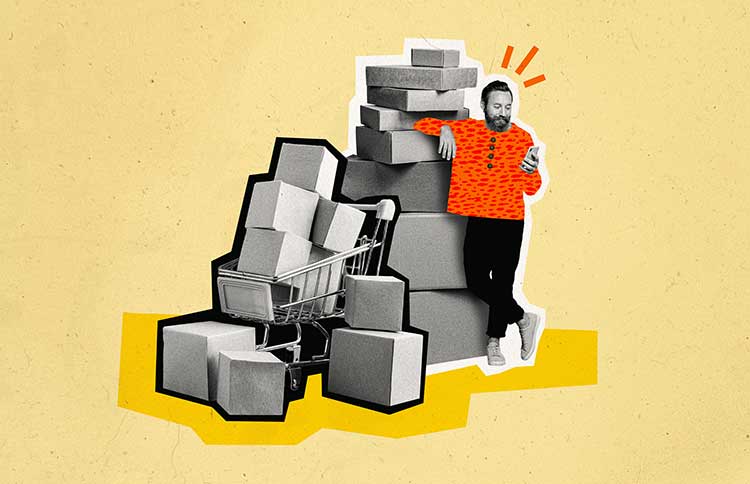
Examine Why and When You Overshop
“Most of us don’t make utilitarian decisions around shopping—we make emotional choices,” Piper said. Before indulging in an impulse purchase online or taking yourself to Nordstrom Rack at lunch, look closely at what’s giving you the urge to buy or browse. The H.A.L.T. framework—often used in addiction recovery—warns people to be mindful about shopping when hungry, angry, lonely, or tired.
At the extreme end of the retail therapy scale, shopping can become an addiction, leading people into severe credit card debt, relationship problems, or hoarding. “The triggers vary, but I believe many people use shopping as a maladaptive coping mechanism,” Shulman said. “It’s similar to the way people turn to other things to deal with stress, from affairs to gambling to overeating.”
Slowing down your consumeristic tendencies is also about playing the tape forward to what happens after you’ve nabbed your must-have item. How will you feel, what will you do with this thing, do you have space or a purpose for it, and will it ultimately add benefit to your life? “You need to connect your behavior to the outcome, whether that’s debt or trouble with your relationships,” Rattle said. Instead of thinking of the temporary joy you might get from buying those shoes or that new bike, what will happen when you receive the credit card bill or get into a fight with your spouse about the cost of your new wheels?

Add Friction
The simplest way to slow down your shopping? Add roadblocks to make it more difficult for you to spend money or be tempted to do so. Don’t visit the mall as a leisure activity; only go if you need something specific. Unsubscribe from Banana Republic/Best Buy/whatever retailer’s newsletter and stop following the company on social media. Make a shopping list of what you actually need, and stick to it whether you’re at the grocery store or the outlet mall.
“Reintroduce friction into the shopping process,” Piper said. “Don’t store your credit card on your phone or on Amazon. Curate your social media feed so it’s not just retailers or influencers pimping stuff to you. Go old school and freeze your credit card in a block of ice.”
Piper’s book counsels taking a 30-day break from buying anything new, a similar tactic to no-buy or low-buy months. The idea? Many studies show it takes around that amount of time to form a new habit (shopping less or shopping mostly secondhand). Addiction specialists aren’t as fond of this tactic. “That’s akin to white knuckling through things for alcoholics,” Rattle said. But if your shopping is more of a proclivity than a problem, a four-week break might be a good reset that allows you to reexamine what you’re buying and why.
Try a Tech Solution
The same screens that get people hooked on online shopping can be used to combat overspending. App blockers control your access to tempting websites and apps by using device permissions, network filters, or configuration profiles to detect when you open a restricted app or website and stop it from running or connecting to the internet. Trackers add up the days you’ve avoided indulging.
There are a few apps combining both ideas, including Stop Impulse Buying, which help users question purchases via prompts like “Where will it be in five years?” or “What is the real reason I’m considering buying it?” A built-in shopping list and monthly no-buy challenges are interesting, but the features don’t seem worth the app’s $9.99/month subscription fee.
Installed on your computer or phone, virtual or physical “locks” (or a combination of technologies) were designed to assist with productivity, since they keep users from visiting certain websites or apps for chunks of time. They also work well as shopping stoppers. They include:
- Blok ($49.99 keycard), locks and unlocks via a credit-card-like “key”
- Bloom ($59 pod, $39 card), locks and unlocks via a credit-card-like “key” or larger pod
- Brick ($59 per brick) a small device that blocks apps; unlock them by tapping an IOS or Android phone
- Detach (free or $9.99 card); unlocks via a credit-card-like “key”
- ScreenZen (app is free; companion “Halo” physical blocking brick $49); inserts pauses into the opening times of apps or websites you overuse
- Tracker apps, which are popular tools in the addiction world, help overshoppers add up days without spending. I Am Sober (basic version free) has a good, free basic model that catalogs days without shopping as well as days of stopping better-known addictions like drugs and alcohol.
- CartPause (free) allows users to put items in their online shopping carts for major retailers (Amazon, Target, etc.) but then puts a 72-hour pause on the purchase.
Follow a ‘Deinfluencer’
Many online influencers try to get you to buy things—sometimes because they love that pet-dandruff shampoo, other times because a brand pays them for a partnership they may or may not disclose. Deinfluencers claim to be the frugal yin to influencers’ yang, posting TikTok, YouTube, or Instagram content telling you what not to waste money on, how to live with less stuff, and generally preaching more mindful consumption. “Deinfluencing is really just old-fashioned common sense with a new name,” said deinfluencer Chen of Slow Buy Club. “Many of our parents and grandparents asked, ‘Do I need it? Will it last?’ before buying anything. Somewhere along the way, shopping became entertainment, and now people are addicted and exhausted.”
A few worth checking out:
Economikat: In funny Instagram videos, often filmed as she strolls amid greenery in her Miami hometown, Katia Chesnok preaches frugality. Sample advice: “This is a reminder you do not need anything from Amazon today. You do not need anything from Target today. You do not need anything from QVC today. You are just bored, and you don’t need more stuff. Go for a walk!”
Overcoming Overspending: Founder Paige Pritchard shares tips with 300,000-plus followers on Instagram. Sample advice: “Start a ‘things I want to buy list’ and implement a strict 72-hour waiting rule before anything on it gets purchased.”
Slow Buy Club: Product marketing expert Crystal Chen coaches TikTok viewers on cutting through consumerist hype. Sample advice: “When you feel like the shoppies are coming on, when you are scrolling and feel like you want to buy things, physically leave the room. It has this way of resetting your working memory, and you forget why you wanted that item so badly.”
Remove Temptation
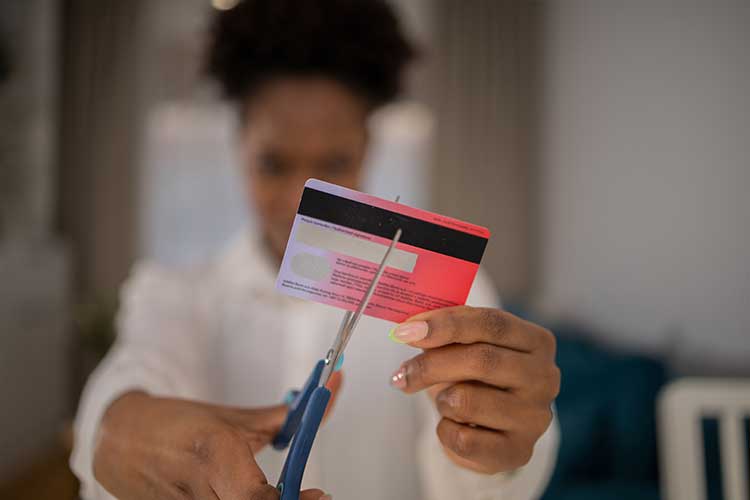
If you were trying to eat less sugar, you could get rid of sweets around your home and avoid the bakery. Cutting down on the physical and online things that tempt you to buy is similar.
“Unfollow, mute, and unsubscribe from marketing emails and social media channels that make you feel as if your life is less than or who make you want to go and buy stuff,” Piper said. One tool to try? DeleteMe, a one-stop service that tells companies and data brokers not to store or share data about you.
Rattle, the co-author of the upcoming book, To Buy or Not to Buy: Why We Overshop and How to Stop, advises her clients to clear their computer and cellphone cache of cookies and search history every night. “First off, that’ll keep companies from tracking you and bombarding you with ads,” she said. And “It’ll stop ads from appearing the next day.” Author’s note: I tried this for a few days and found that the ads hawking expensive shoes were replaced by banners about local dentists!
And it goes without saying: When you visit websites, never accept cookies, and you’ll keep the tracking and advertising at bay in the first place. “I say no every single time,” Rattle said. “You’re not going to track me, it’s none of your business what I’m doing, and you cannot use that data about me.”
Add Accountability
Making a budget—or consulting a financial planner—can help you determine if you’re shopping more than you should and if it’s negatively impacting your finances, relationships, or mental health. “Having a financial advisor remind you that you’re biting off more than you can chew—or just spending more than is normal—can help a bit,” Shulman said. “But if you have a real problem with overshopping, that might be like telling an alcoholic to avoid the bars.”
For anyone feeling like their discretionary spending has become unmanageable, there are 12-step-based groups for shopping and credit-using addicts including Debtors Anonymous and Spenders Anonymous. The former tends to attract members with lots of credit card debt, which may be from paying off healthcare or living expenses. Spenders meetings are more focused on “shopaholic”-like behavior (owning 90 pairs of sneakers, purchasing every new phone). Most meetings are online, though a few areas have in-person gatherings. Author’s note: As a person who sometimes overbuys but doesn’t carry significant debt, I found Spenders Anonymous helpful since it seems to draw people wanting to curb their impulse buying or tendencies to shop for fun or stress relief.
There are also numerous overshopping help threads on Reddit, including r/shoppingaddiction and r/anticonsumption.

Seek Professional Help
If your shopping is veering into dangerous territory—loads of debt, more stuff than you know what to do with, problems with personal relationships—you might want to see a psychologist or financial pro who specializes in compulsive behaviors. “Some people may go to a debt counselor, or others find someone like me who offers coaching services,” Rattle said. They can help you develop tools to combat the urge to splurge, as well as address underlying issues that may be causing your behavior.
Some psychologists use cognitive behavioral therapy to help overshoppers. “We dig into their beliefs about money and spending, and what their triggers are,” Shulman said. “And then we help them figure out how to shift their priorities. Overshopping is a bit like overeating—you can’t entirely quit either, but you can moderate your behavior. It’s a lifestyle change.”