

What Is and Isn't Covered by Homeowners Insurance?
Last updated November 2026

Insurance companies often advertise that their policies offer better coverage than their competitors do, but most sell roughly the same thing.
Most homeowners policies cover your house against all types of risks except ones that are specifically excluded. This means they’ll pay out for damage caused by fire, windstorms, theft, vandalism, frozen pipes, and accidents. But most homeowners insurance policies don’t protect against harm from floods; sewer and drain backups; earthquakes; termites, pets, or other animals; mold, mildew, dry rot, and wet rot (unless the result of a covered peril such as a water-pipe burst); war; and nuclear accidents and explosions. You can buy additional special coverage for some of these risks.
All policies have deductibles, an amount you must pay for a loss before the company pays anything. Your premiums will be lower if you take a higher deductible.
Here’s what’s covered, what isn’t, and optional coverages you can buy:
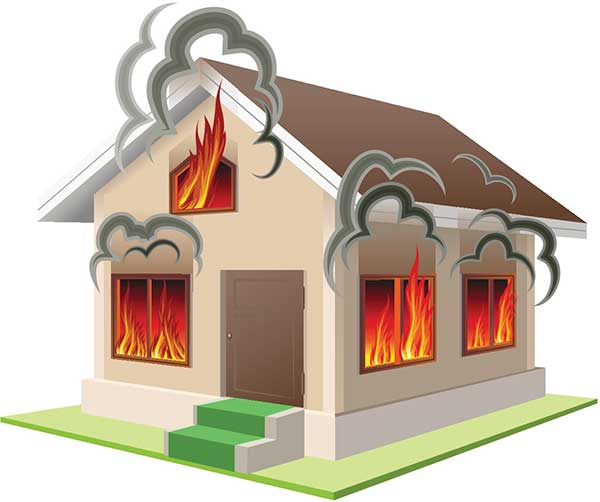
Covered: Dwelling (Your Home’s Structure)
The bulk of your policy’s costs go toward insuring your “dwelling.” This coverage pays for repairs to your home’s physical structure—or, in the event of a total loss, for building a replacement—if it’s damaged by a covered hazard. Most policies stipulate repairs be made using the same quality and type of materials as what was lost.
Obtain an accurate home-replacement-cost estimate to determine your dwelling insurance coverage limit. Buy too little coverage and you’re not fully protected if there’s a total loss; buy too much and you’re paying for unneeded insurance. Insurers have improved their estimates for rebuilding costs, but you’re ultimately responsible for maintaining enough coverage.
Renter and condominium policies don’t include full coverage for the dwelling itself; that’s the responsibility of the landlord or covered by the condo association insurance. Instead, these policies insure the tenant’s belongings and provide liability coverage. Condo owners can purchase coverage for damage to portions of the dwelling (e.g., carpeting, cabinets, other improvements).
Not Covered Unless You Pay More: Earthquake Damage
Depending on the coverage and company you select, earthquake coverage can add between $500 to over $8,000 to a typical homeowners policy for a house with frame construction, and usually two or three times more for a masonry house. Most policies are purchased with hefty 15 percent deductibles: If you buy $600,000 of coverage with a 15 percent deductible, you must pay for the first $90,000 of damage yourself. Because the coverage offered by earthquake insurance is so expensive, few homeowners in California buy it. Click here for more info.
Not Covered Unless You Pay More: Costs to Replace Many Features of Older Homes
Most policies promise to repair or replace what is damaged, but not with an exact replica. Older homes with ornate woodwork and other expensive-to-recreate features might make the cost of rebuilding the home exceed its market value. Some companies won’t cover old or historic homes. Others will, but you’ll need a specialty policy. Some companies (Chubb and a few others) specialize in high-value, older, or historic homes.
Even 20- or 30-year-old homes might fall into another loophole. Insurance policies stipulate they’ll pay for what was lost, not rebuild it as it should be. That’s a problem if codes for things like plumbing, wiring, or stairway construction have changed since your home was built. Your insurance might not cover the extra cost of rebuilding your home to the standards required by current codes. Close this loophole by buying “ordinance or law coverage”; some companies include it in their policies for no additional premium; others charge about $50 to more than $200 per year for it.
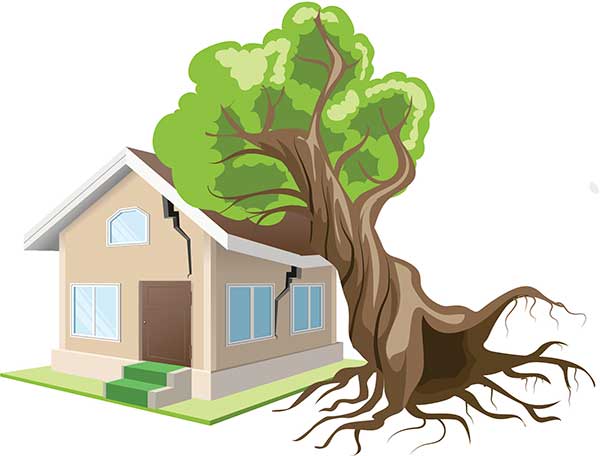
Not Covered Unless You Pay More: Full Costs to Replace Your Roof
Many home insurance companies have introduced a new wrinkle in coverage, offering discounts to homeowners who agree to cover their roofs at “actual cash value.” This means if your roof is damaged, your insurer will pay out based on the depreciated value of your roof, which takes into account age and wear, minus your deductible. Standard coverage will pay for the full costs to build a brand-new roof at current market labor and material prices, minus your deductible.
The premium discount for actual cash value policies is small—typically five to 10 percent—but the savings add up over time. But because roof replacements are now so expensive they account for the bulk of homeowners’ risk, stick with standard, replacement-cost policies.
Covered: Liability (Bodily Injury or Damage to Others’ Property)
This coverage protects you from claims by others for injuries or property damage for which you, your family members, your pets, or hazards on your property are at fault. Under this coverage, your insurance company will hire legal representation to defend you and pay damages if you are found liable. Your policy won’t cover injuries or property damage caused by business pursuits or automobile accidents (the liability coverage in your car insurance policy covers this).
The liability insurance limit for most basic policies is $300,000, but additional coverage is inexpensive. For instance, most insurers offer increased liability coverage at $500,000 for an additional premium of only $10 to $50 per year.
Want to protect yourself from claims in excess of $500,000? Consider an “umbrella” policy, which provides liability protection in addition to what your homeowners and automobile insurance provide. Besides protecting you from liability claims, it shields you against suits for libel, slander, defamation of character, false arrest, invasion of privacy, and other claims not usually covered by standard homeowners policies.
Covered: Most Personal Property
Homeowners policies will compensate you for damage to or theft of most kinds of personal property (furniture, clothing, appliances, etc.) owned by you and located on or away from your premises. Policies pay only if the damage was caused by a covered peril, and while your home’s structure is covered for accidental losses, personal property is not. For example, if you accidentally spill paint on your brand-new leather sofa or your flat-screen TV falls off the wall, tough luck.

Not Covered Unless You Pay More: Full Costs to Replace Belongings
Another difference between personal property coverage and coverage on the dwelling structure is how reimbursement is calculated. If a tree limb crashes through your bay window, your policy will pay what it takes to fix or replace it (minus your deductible). But personal property is covered at actual cash value—replacement cost minus depreciation. If a bike you bought six years ago for $600 is stolen, you might be reimbursed only $200, not the $800 you’d pay for a comparable new model. If you lose several items in a burglary or fire, you’ll probably find your insurance company’s payout appallingly inadequate.
You can get a special provision that covers personal property for full replacement costs; if your bicycle will cost $800 to replace, you’ll get that. This extra coverage usually adds five to 15 percent to the policy cost—although some companies now provide it gratis.
Not Covered Unless You Pay More: Full Value of Jewelry, Computers, Electronics, and Luxuries
All policies limit payouts for certain categories of personal property losses. Typical limits include:
- $1,000 to $10,000 for jewelry, watches, furs, and precious and semiprecious stones.
- $1,000 to $5,000 for computers and smartphones.
- $200 for money, bank notes, precious metals, and coins.
- $1,000 to $1,500 for securities, accounts, deeds, letters of credit, manuscripts, passports, tickets, and stamps.
- $1,000 to $1,500 for boats, including their trailers, furnishings, equipment, and outboard motors.
- $2,000 to $10,000 for firearms.
- $2,500 for property used for business purposes.
Companies sometimes impose similar coverage limits on artwork, antiques, musical instruments, and cameras.
Carefully review policies for any limits that may leave your coverage short. To insure items worth more than these special limits, consider paying to increase the category limit or buying separate coverage.
Covered: Other Structures on Your Property
Standard policies cover detached garages, toolsheds, gazebos, and so on. The coverage does not apply to structures used for business purposes.
Covered: Increased Living Expenses
Policies will pay for a rental home or hotel if your family is forced to move out of your house due to an insured loss.
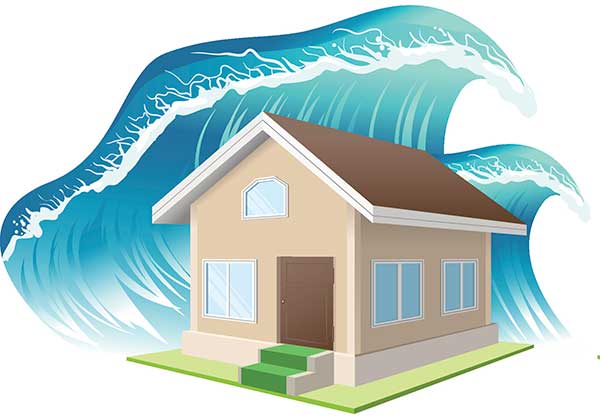
Not Covered Unless You Pay More: Flood Damage
Homeowners insurance won’t pay for damage caused by water entering the home from outside; you can buy separate flood insurance. Costs depend highly on whether you live in a flood-prone area or on high ground. Ask your insurer for rates or contact the FEMA National Flood Insurance Program.
Not Covered Unless You Pay More: Damage from Sewer, Drain, and Sump Pump Backups
With most companies, you can add coverage for sewer or drain backups for $40 to $200 per year. Many homeowners find that cost reasonable to cover potentially disruptive and expensive cleanup and repairs.
Not Covered Unless You Pay More: Losses from Identity Theft
Some insurers include identity theft coverage in their standard homeowners policies; others push it as an add-on. Although identity theft is a massive problem, we don’t recommend buying this extra coverage. Most policies don’t promise to clear your credit history and record; they merely cover the expenses you incur doing so on your own. Although millions of Americans have had their identities stolen, the damages inflicted are not out-of-pocket, measurable costs, but rather time and effort devoted to fixing it. You can’t buy insurance to cover your free time.
Plus, you may be able to get free protection against identity theft from another source. Many banking institutions, including credit card companies, offer gratis identity theft protection. Also, you already have protection from fraudulent credit card charges—the most common form of identity theft injury—under the federal Fair Credit Billing Act, which stipulates that victims aren’t responsible for fraudulent charges.
Not Covered Unless You Pay More: Sewer and Water Lines, Appliance Breakdowns, and More
Insurers also often offer home warranties and extended “protection plans” for underground water and sewer lines on your property, service contracts for appliances, and so on. These plans are highly profitable for companies that sell them, but usually terrible deals for consumers.
Not Covered: Damage from Animals and Pests
Pest control services sell protection plans covering damage caused by termites. Click here for ratings and advice for critter control.
